

More to Start, Fewer to Quit (February 2026)
This month's More to Start, Fewer to Quit (MSFQ) tips come from Marcia Neel, President of Music Education Consultants Inc., Senior Director of Education, Yamaha and Education Advisor to the Music Achievement Council.
RECRUITMENT: Be Visible (and Keep Showing Up!)
By this time of year, prospective students should already know who you are—and have a general sense that being in your music program is fun, meaningful, and worth their time. That said, it’s never too late to recruit. In fact, February is critical, as registration for the next school year is often just around the corner.
Start by checking in with your school counselor to confirm registration deadlines so your recruitment efforts align with key decision points.
Next, connect with classroom and general music teachers to help identify students who may be a great fit for your program. Update your recruitment materials so they clearly tell YOUR program’s story, the who, what, when, where, and why. Be sure to include action photos of your students and short testimonials from students, parents, staff, or community members.
You don’t have to create everything from scratch. The music products industry offers a variety of ready-to-use recruitment resources. Your local music dealer can help you select materials such as videos, posters, surveys, and parent brochures.
It’s important to remember that the time you invest in recruitment directly impacts enrollment. Expecting students to simply appear in your program next fall is a setup for disappointment. Instead, actively engage the music teachers at the schools your prospective students currently attend. Invite those educators to conduct a piece on one of your upcoming concerts, and offer to do the same in return. Provide clinics for one another’s students and create activities where current students demonstrate and intentionally communicate that moving from one program to the next is a natural, seamless transition, and something that new students can genuinely look forward to. One example might be to create branded invitations or postcards to send to prospective students from current students with congratulatory and encouraging messages such as, “Congratulations on your concert performance. Can’t wait to see you in band/orchestra/choir next year!”
RETENTION: Recognition Matters More Than You Think
Everyone appreciates being noticed. Hearing one’s name in a positive way creates a sense of validation, connection, and belonging. That feeling is especially important at transition points—when students are deciding whether to continue in music as they move from one year to the next. February is also a key moment for retention. As students consider new opportunities and experiences, intentional recognition can make a meaningful difference.
Maya Angelou captured this perfectly when she said, “People will forget what you said, people will forget what you did, but people will never forget how you made them feel.” When students feel seen, valued, and appreciated, they are far more likely to stay connected to your program.
Involve students in creating recognition efforts. Giving them a voice in how achievements are celebrated strengthens ownership, pride, and commitment.
SUCCESS TIP: Give Students Agency
You don’t have to do everything yourself. Form a Marketing and Communications Committee and place them in charge of creating promotional materials such as advertisements, flyers, videos, and regular social media content, including “Sign Up for Band” posters featuring photos of current students and a brief message explaining why their participation matters to them. (Keep in mind that student agency transforms students from passive recipients of information into increased ownership in the program and this in itself increases retention.)
Share these materials broadly across multiple platforms, including:
- District and individual school websites
- Music department webpages
- Social media channels
- School assemblies and events
- School and local newspapers (including free weekly papers)
- School announcements and newsletters (e.g., a “Music Corner” with regular updates)
- PTA communications
- Concert programs at all feeder schools
Marcia Neel
Music Education Consultants, Inc., President
Yamaha, Senior Director of Education
Music Achievement Council, Education Advisor
Tarpley Exclusives
MSRP
$479.99
MSRP
$479.99
-
MSRP
$479.99
MSRP
$479.99
Our Price
$319.99
$319.99
-
$319.99
Our Price
$319.99
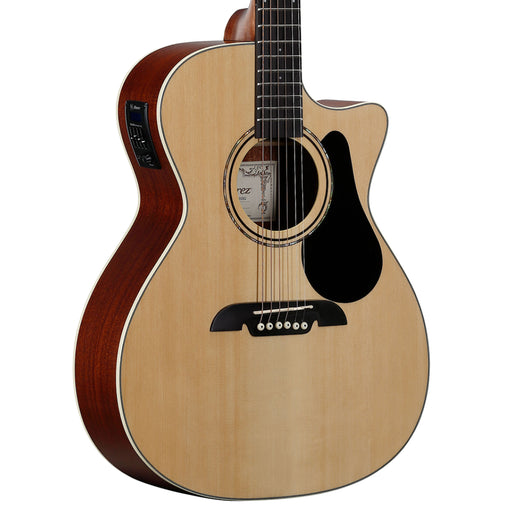
Alvarez Regent RG26CE-Deluxe Acoustic Electric Guitar
Alvarez
in stock
A Complete Upgrade for Players Ready to Sound Better Instantly Most entry-level acoustic guitars get the job done, but they often lack the tone, co...
View full details
MSRP
$479.99
MSRP
$479.99
-
MSRP
$479.99
MSRP
$479.99
Our Price
$319.99
$319.99
-
$319.99
Our Price
$319.99
Exclusive

MSRP
$689.00
MSRP
$689.00
-
MSRP
$689.00
MSRP
$689.00
Our Price
$499.99
$499.99
-
$499.99
Our Price
$499.99
Alvarez Regent RG99KCE-ELITE Acoustic-Electric Guitar
Alvarez
in stock
RG99KCE-ELITE
MSRP
$689.00
MSRP
$689.00
-
MSRP
$689.00
MSRP
$689.00
Our Price
$499.99
$499.99
-
$499.99
Our Price
$499.99
Exclusive
MSRP
$665.06
MSRP
$665.06
-
MSRP
$665.06
MSRP
$665.06
Our Price
$439.99
$439.99
-
$439.99
Our Price
$439.99
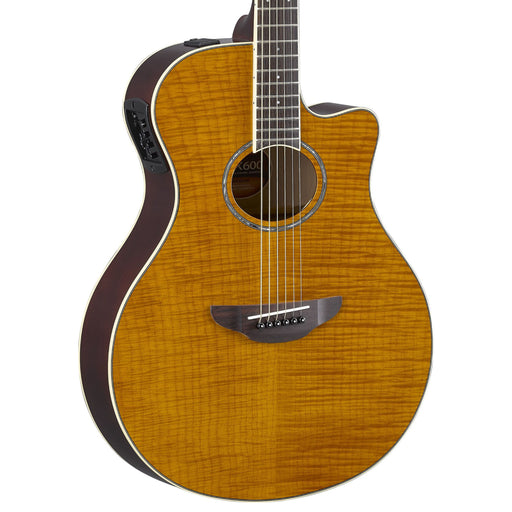
Yamaha APX600FM AM Acoustic-Electric Guitar
Yamaha
in stock
One of the world's best-selling, acoustic-electric guitars, the APX Series thinline body combines incredible comfort, easy top-fret access and natu...
View full details
MSRP
$665.06
MSRP
$665.06
-
MSRP
$665.06
MSRP
$665.06
Our Price
$439.99
$439.99
-
$439.99
Our Price
$439.99
Exclusive

MSRP
$1,340.00
MSRP
$1,340.00
-
MSRP
$1,340.00
MSRP
$1,340.00
Our Price
$799.99
$799.99
-
$799.99
Our Price
$799.99
Yamaha LJ6RDTHB Medium Jumbo Acoustic-Electric Guitar - Dark Tint
Yamaha
in stock
Built with a solid Engelmann Spruce top enhanced by Yamaha's proprietary A.R.E. treatment and refined bracing architecture, the LJ6 delivers increa...
View full details
MSRP
$1,340.00
MSRP
$1,340.00
-
MSRP
$1,340.00
MSRP
$1,340.00
Our Price
$799.99
$799.99
-
$799.99
Our Price
$799.99
Exclusive
MSRP
$454.80
MSRP
$454.80
-
MSRP
$454.80
MSRP
$454.80
Our Price
$279.99
$279.99
-
$279.99
Our Price
$279.99
Yamaha FG800M Acoustic Guitar
Yamaha
in stock
MSRP
$454.80
MSRP
$454.80
-
MSRP
$454.80
MSRP
$454.80
Our Price
$279.99
$279.99
-
$279.99
Our Price
$279.99
Exclusive
MSRP
$678.06
MSRP
$678.06
-
MSRP
$678.06
MSRP
$678.06
Our Price
$419.99
$419.99
-
$419.99
Our Price
$419.99
Yamaha FSX800CVN Acoustic
Yamaha
in stock
MSRP
$678.06
MSRP
$678.06
-
MSRP
$678.06
MSRP
$678.06
Our Price
$419.99
$419.99
-
$419.99
Our Price
$419.99
Exclusive
MSRP
$422.32
MSRP
$422.32
-
MSRP
$422.32
MSRP
$422.32
Our Price
$259.99
$259.99
-
$259.99
Our Price
$259.99
Yamaha FS800T Acoustic Guitar
Yamaha
Out of Stock
MSRP
$422.32
MSRP
$422.32
-
MSRP
$422.32
MSRP
$422.32
Our Price
$259.99
$259.99
-
$259.99
Our Price
$259.99
Sold Out
MSRP
$392.82
MSRP
$199.99
-
MSRP
$392.82
MSRP
$392.82
$199.99
-
$249.99
$199.99
-
$249.99
Our Price
$199.99
Yamaha JR2S 3/4 Folk Acoustic
Yamaha
Out of Stock
MSRP
$392.82
MSRP
$199.99
-
MSRP
$392.82
MSRP
$392.82
$199.99
-
$249.99
$199.99
-
$249.99
Our Price
$199.99
Sold Out